In a nutshell
- The full-day Snæfellsnes tour from Reykjavik runs 11 hours with an English-speaking live guide and pickup available.[1]
- A fishing town on the north coast under Kirkjufell, which stands 463 meters (1,519 feet) high and is one of Iceland's most photographed mountains.[2]
- A harbour town on the tour route and the departure point for the whale watching tour on Snæfellsnes.[1][3]
- The small wooden church on the south side of the peninsula, and a stop on the full-day tour from Reykjavik.[1][4]
- Day tours on this route start from US$138, US$145 and US$161, and each one offers free cancellation up to 24 hours in advance.[1][5][6]
- Top choice Snæfellsnes Full-Day from US$145 Duration11 hours[1]Rating4.72 from 3,765 reviews[1]GuideLive tour guide in English[1]Cancellationfree cancellation 24 hours in advance[1]PickupPickup available, check details[1] Check availability
- Premium Minibus Tour from US$161 Duration11 hours[6]Rating4.77 from 789 reviews[6]GuideLive tour guide in English[6]Cancellationfree cancellation 24 hours in advance[6]PickupPickup included, check details[6] See this tour
- Kirkjufell Small Group from US$138 Duration12 hours[5]Rating4.60 from 478 reviews[5]GuideLive tour guide in English[5]Cancellationfree cancellation 24 hours in advance[5]PickupPickup included, check details[5] See this tour
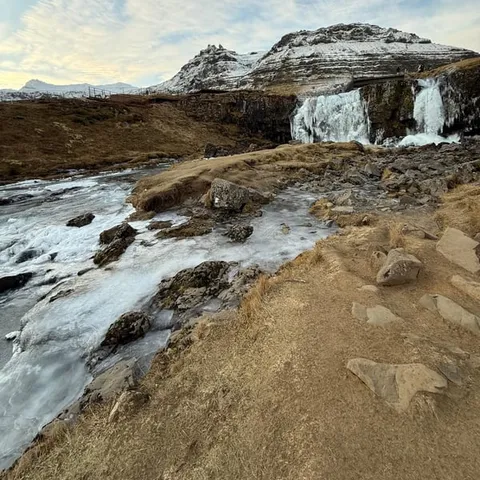
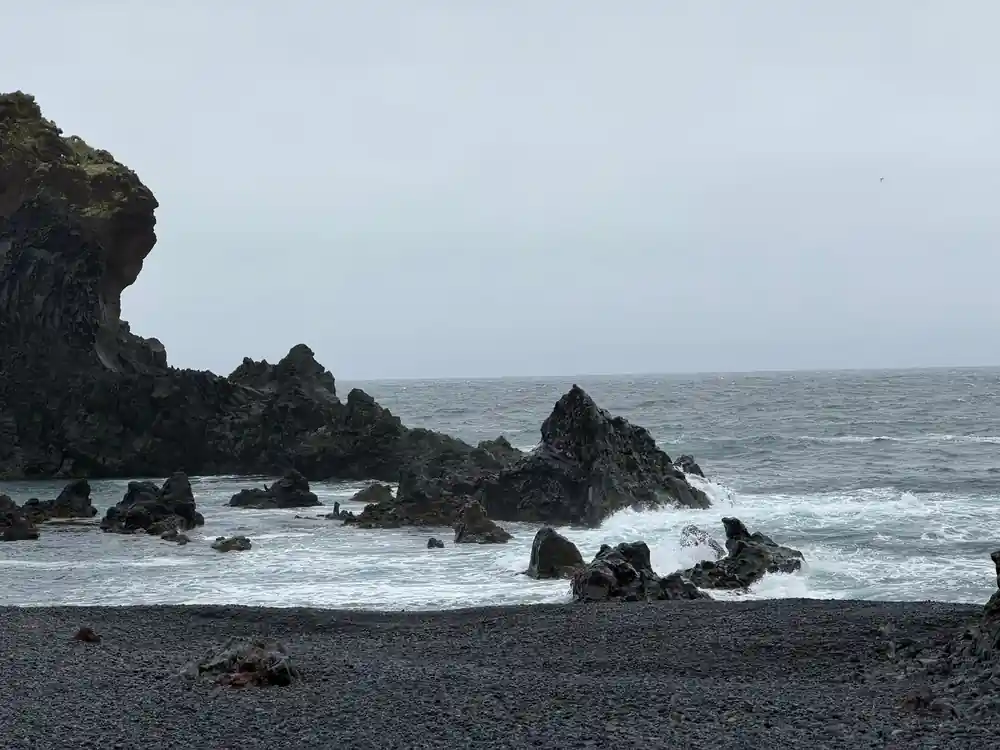
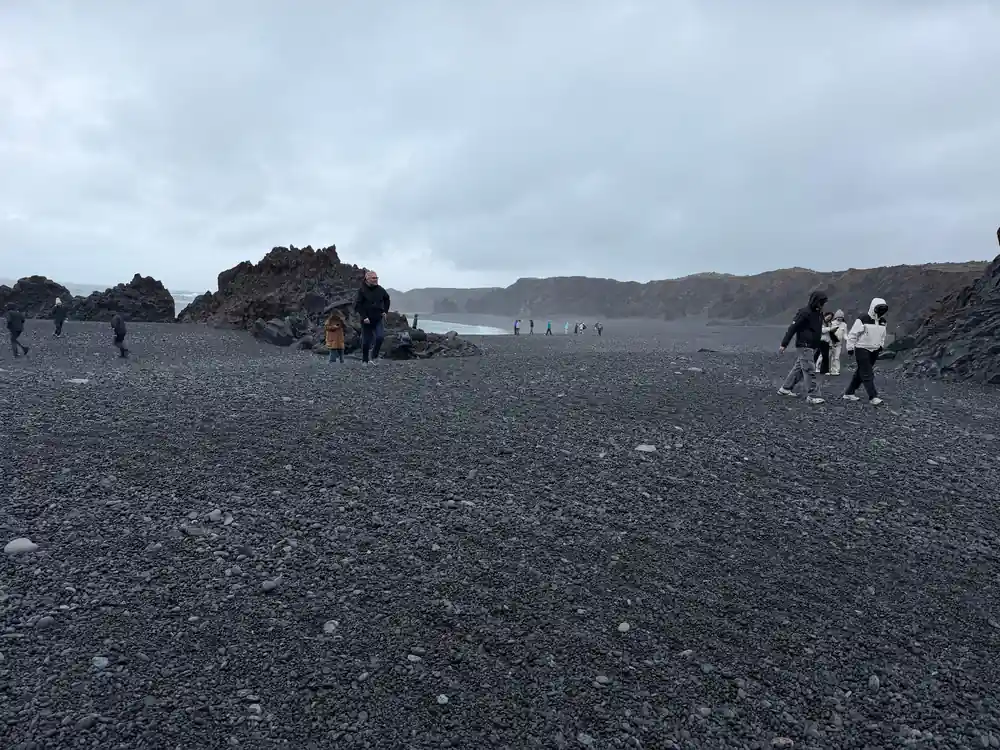
Djúpalónssandur is known for its four historic lifting stones, the remains of the British trawler Epine GY7 wrecked here in 1948, the natural rock arch Gatklettur, and its black pebble beach at the foot of Snæfellsjökull glacier.
Is the full-day Snæfellsnes tour worth it?
Booking basics
Grundarfjörður: where the fjord meets the fishing tradition
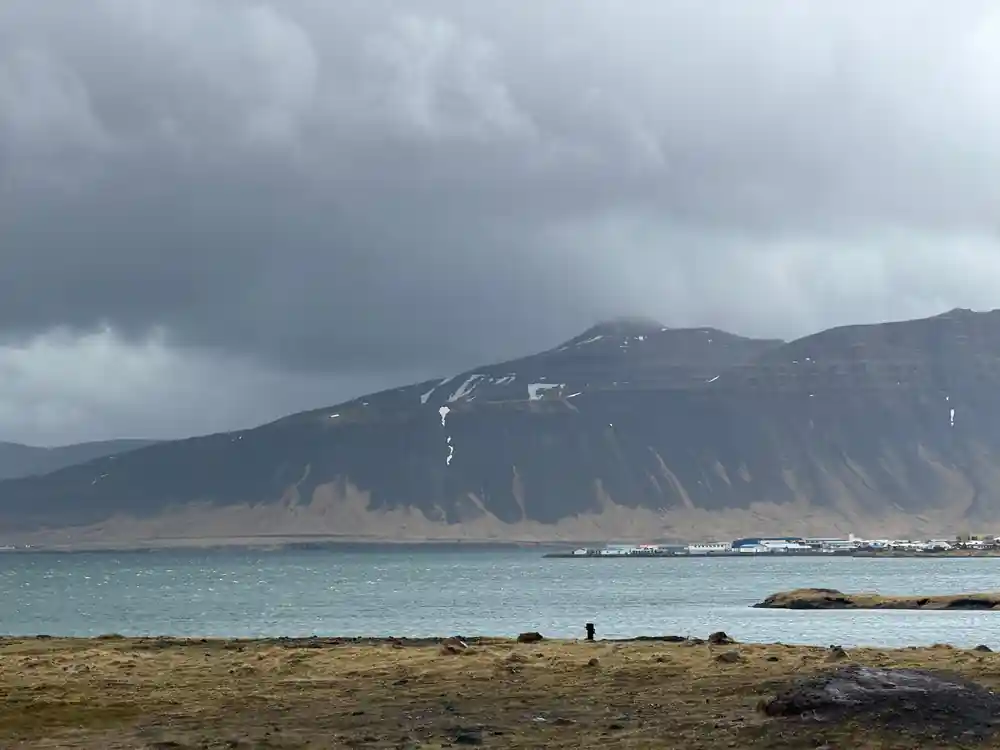
Grundarfjörður is a working fishing town on the north side of the Snæfellsnes Peninsula, and the mountain behind it does most of the talking. Kirkjufell stands at a height of 463 meters (1,519 feet) and is one of the most photographed mountains in Iceland.[2] The town wraps around a sheltered fjord, with painted houses, drying racks and a harbour where boats still land their catch. In the evening the mountain holds the last light long after the streets below have gone grey, and people pull over along the roadside to look at it.
If you are sounding out the map before you arrive, start with the names. A one-line answer to Grundarfjordur how to pronounce: GRUN-dar-fyur-ther, with the stress on the first syllable and a soft th at the end. How do you pronounce Grundarfjordur in a full sentence? Exactly the same way, and nobody minds if you take it slowly. Then how do you pronounce Snaefellsnes peninsula? Try SNAI-fetl-snes, spoken almost as one word. And how do you pronounce Snaefellsjokull? SNY-fetl-yur-kutl, with the j sounding like the y in yes. The letter ð is the th of weather, and ö sits close to the vowel in fur.
Some geography helps too. The peninsula sits 136 km (85 mi) from Reykjavík, roughly a 2-hour drive via Route 1 and Route 54.[8] Once you are out on the north coast, Hotel Snæfellsnes, in the middle of the peninsula, is 38 km from Grundarfjörður and 32 km from Stykkishólmur.[9] Fishing shaped every village here: the fjord gave shelter, the mountain gave a landmark, and the boats still go out. A walk along the harbour wall in the evening is the easiest way to see the town at its most ordinary.
Ólafsvík: a trading port on the north coast
Ólafsvík sits further west along the north coast, a compact harbour town where the older houses stand close to the water and the street above them climbs steeply. The full-day tour from Reykjavik calls in at Ólafsvík between Kirkjufell and Djúpalónssandur.[1] The whale watching tour on Snæfellsnes is run from Ólafsvík, and the harbour itself is small enough to walk in a few minutes.[3] Hotel Snæfellsnes is 57 km from Ólafsvík.[9]
Fishing and fish processing are still the backbone of the town, and the harbour is a calm place to stretch your legs on a long drive. Look for the drying racks and the older warehouses near the water, then take the short climb above the port for the view back down the fjord. It is a working place rather than a staged one, which is what makes a stop here worth the time.
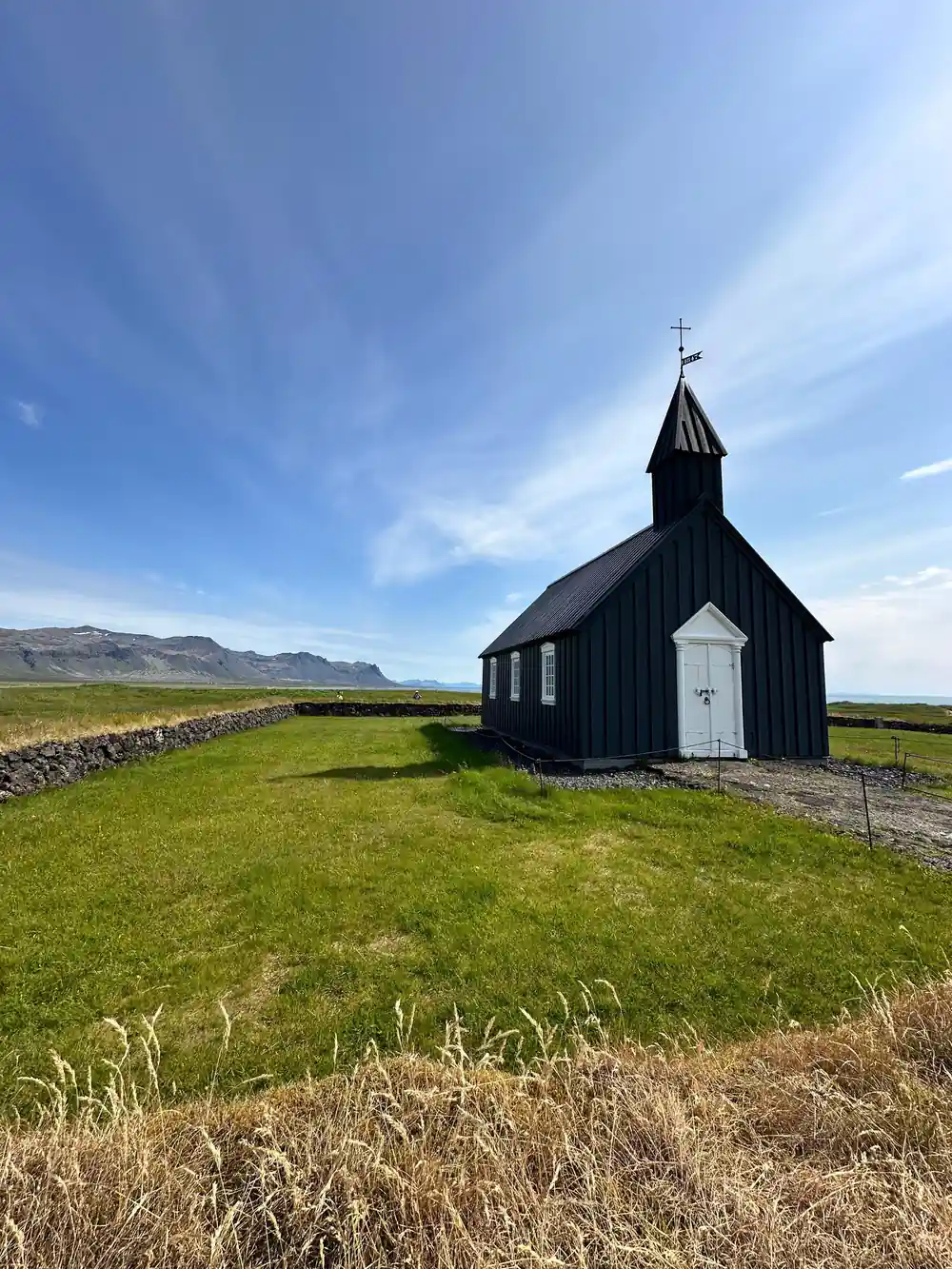
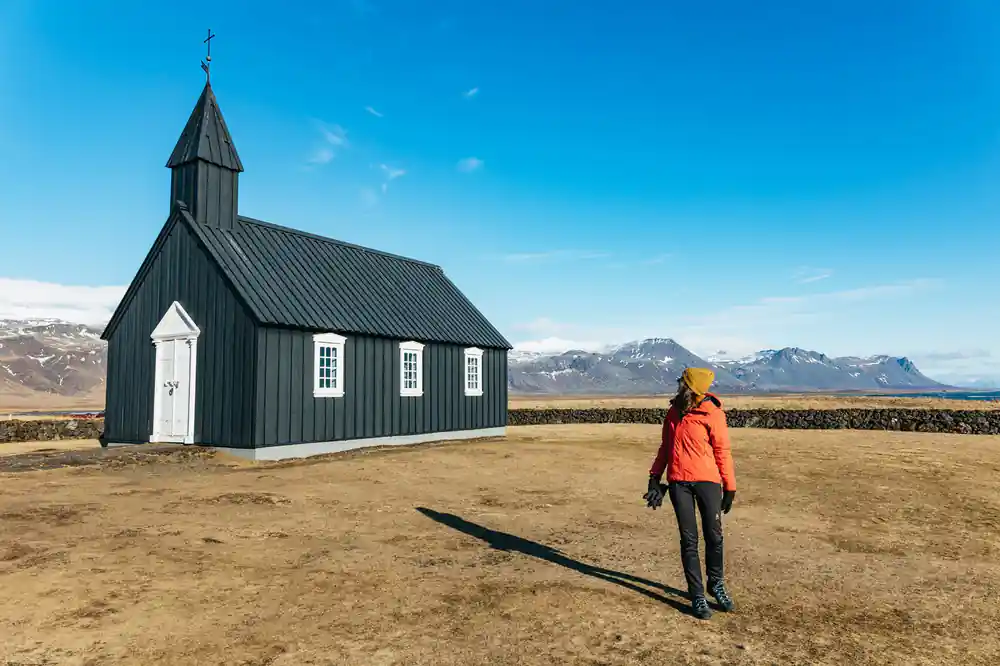
A black-tarred church on open grass, with black sand and lava fields behind it.
Hákarl and the shark fermentation tradition
Hákarl is fermented shark, a food that gets talked about more than it gets eaten. Traditionally the meat comes from the Greenland shark, and the old method treats it slowly: it is buried in sand with a weight on top, left to ferment, then cut into strips and hung up to dry. The finished pieces are firm and pale, with a strong ammoniac smell and a taste that divides every table it lands on.
On Snæfellsnes, hákarl is linked with Bjarnarhöfn, where the fermentation process is explained to visitors and small cubes are handed round. Brennivín, the caraway spirit, is the traditional partner, and the usual advice is to bite, swallow, then reach for the glass. If you would rather not, smoked lamb, geothermal rye bread and skyr are gentler introductions to what Icelanders cook at home.
Búðakirkja: the black church that outlasted its village
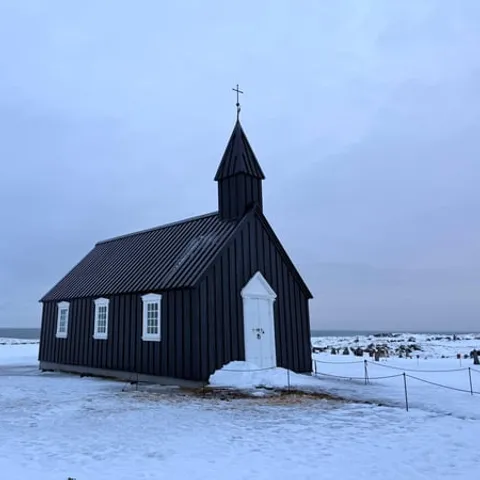
Búðakirkja is a small wooden church located on the south side of the Snæfellsnes Peninsula in Iceland.[4] The timber is tarred black, the trim is white, and the building stands almost alone on open grass with black sand and lava fields around it. It is also one of the stops on the full-day tour from Reykjavik.[1]
Photographers come for the contrast: dark timber, pale grass, a wide sky and a single bell tower against the hills. The church is small, so give other visitors room and keep an eye on the wind, which can slam a car door or lift a tripod. The ground nearby is rough and wet in places; shoes with grip beat smooth soles.
from US$145
The full-day Snæfellsnes tour from Reykjavik runs 11 hours with a live tour guide in English and pickup available.[1]
The vanished village of Búðir
The story of Búðir is a story of things disappearing. The old trading settlement on this stretch of coast has gone, and the church is what stayed. Around it there is little more than grass, a few older graves, a small hotel and the sound of the sea. Maps still show a name in bold, which makes arriving at the quiet reality part of the pleasure.
Distances help here: Hotel Snæfellsnes, in the middle of the peninsula, is 35 km from Búðir, 54 km from Arnarstapi and 58 km from Hellnar.[9] Once you are on the road, the villages of the south coast come up more quickly than the map suggests.
Eight coastal stops across the peninsula
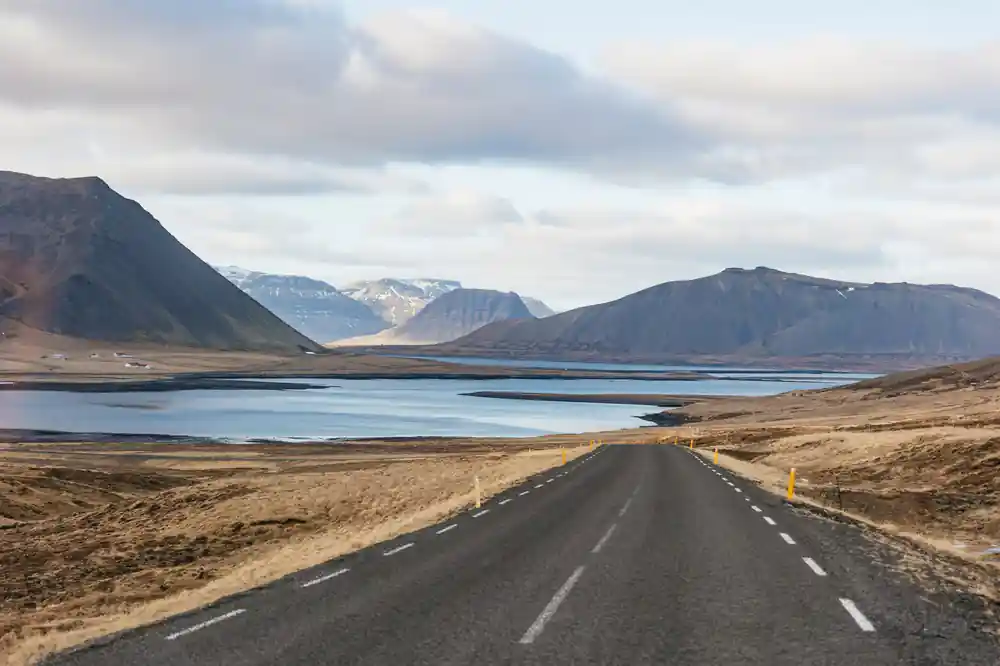
The full-day tour from Reykjavik works around the coast with a set list of stops: Vatnaleið, Kirkjufell, Ólafsvík, Djúpalónssandur, Londrangar, Arnarstapi, Búðakirkja and Ytri Tunga.[1] That is a lot of coastline for one day, and the running order puts the mountain before the beaches and the villages before the open shore at Ytri Tunga. Expect short walks, quick photo stops and a bus that keeps to a schedule.
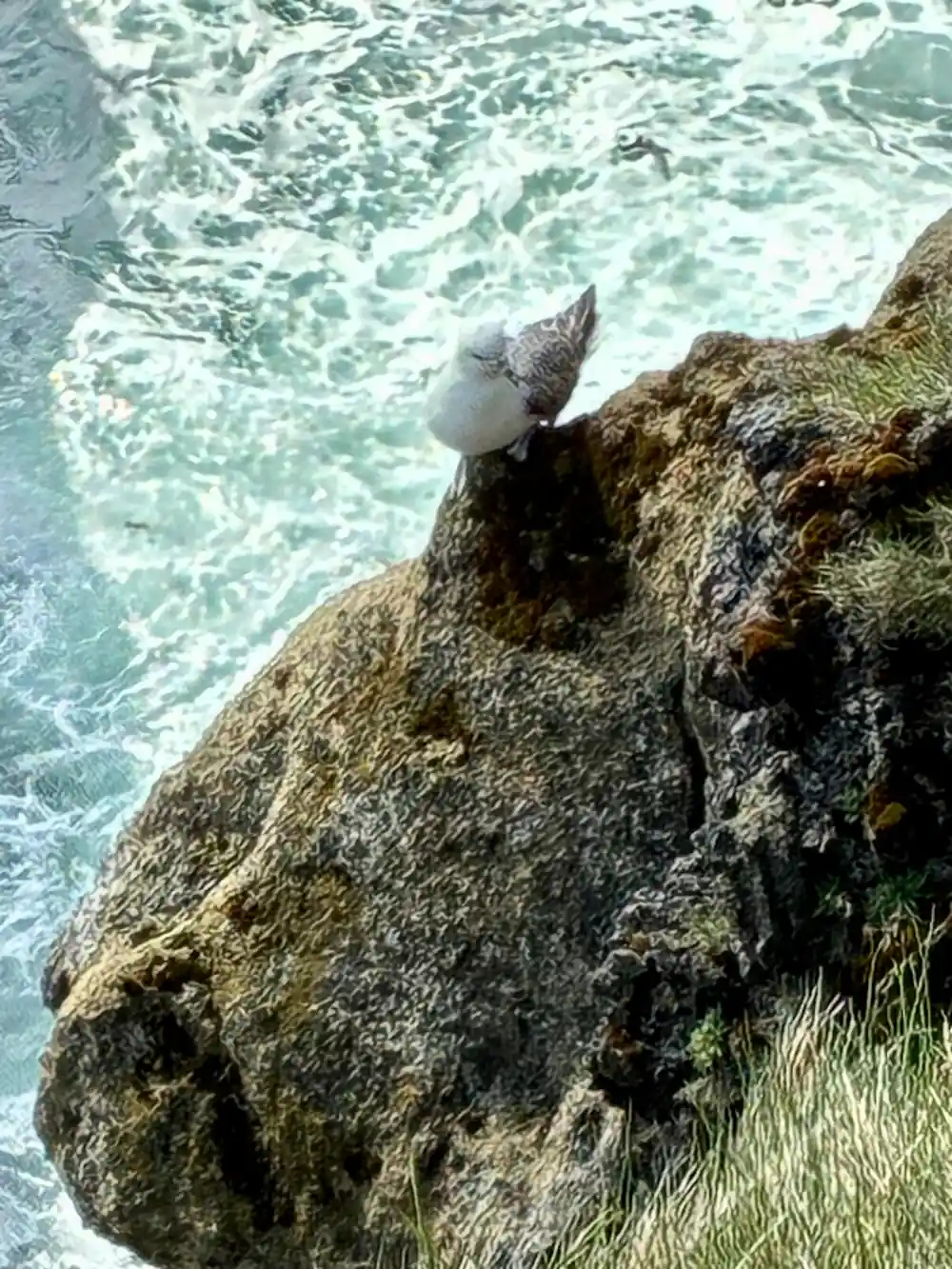
Djúpalónssandur is known for its four historic lifting stones, the remains of the British trawler Epine GY7 wrecked here in 1948, the natural rock arch Gatklettur, and its black pebble beach at the foot of Snæfellsjökull glacier.[10] At Londrangar, puffins, guillemots, fulmars and kittiwakes nest from late spring to summer.[11] In Arnarstapi, a small, easy hiking trail starts very close to the Bardur statue and takes about 2 hours return along the coastline.[12] Snæfellsjökull itself is 1,446 meters high, and Snæfellsjökull National Park was established in 2001.[13]
According to Bárðar Saga Snæfellsáss, Bárður Snæfellsás was the settler of the Snæfellsnes area and was half a troll and half a man, his father being half a titan and his mother human.[14] His statue marks the start of the Arnarstapi walk.[12] Further along the same coast, the guided Vatnshellir lava cave tour lasts 45 minutes.[15] Lýsulaugar has geothermal baths with two hot tubs, a large geothermal swimming pool and a cold tub.[16] Stóri-Kambur offers horse riding tours that take riders into the heart of Snæfellsnes in West Iceland.[17]
What to expect on the day
The full-day tour from Reykjavik runs 11 hours, with a live tour guide in English and pickup available; check availability for pickup options and starting times when you book.[1] You can reserve now and pay later, and free cancellation up to 24 hours in advance gives a full refund.[1]
Expect a long, full day rather than a fast one. The peninsula sits 136 km (85 mi) from Reykjavík, roughly a 2-hour drive via Route 1 and Route 54.[8] The day is built around short walks, viewpoints and time on the bus in between. Weather on Snæfellsnes is overall quite good throughout the year, but it can change quickly, and keeping a flexible plan is a good idea, especially in winter.[7]
Dress for wind and rain whatever the forecast says: a waterproof outer layer, a warm mid-layer, a hat, gloves and shoes with grip for wet gravel and lava rock. A bottle of water and a snack in your bag are handy on a long loop, and a power bank keeps a phone alive for photos. Give the sheep and the cliff edges plenty of room, and watch where you put your feet on the black sand.
Listed duration of four Snæfellsnes tours
Durations as listed on GetYourGuide for these tour listings:[1][5][18][19]. Check availability for starting times.
From prices per person
US dollar from-prices per person from these tour listings:[1][5][6][20]. Child rates are not listed separately.
When to book and what to expect
Planning your day
Book the day tour
Pick the listing that matches your group, then check availability for pickup and starting times before you pay.[1]
Pack for the coast
Layers, a waterproof jacket, gloves and shoes with grip. The beaches and cliffs are exposed to wind and spray.
Learn the names
Grundarfjörður, Snæfellsnes and Snæfellsjökull look harder than they sound once you know where the stress falls.
Expect a long day
The full-day tour from Reykjavik runs 11 hours; plan for an early start and a late return.[1]
Add one extra stop
The guided Vatnshellir lava cave tour lasts 45 minutes.[15]
See the full-day Snæfellsnes tour from Reykjavik
from US$146Reserve now & pay later