In a nutshell
- Ytri Tunga on the south coast is a stop on the full-day tour from Reykjavik, and seals haul out on its sand between feeding trips.[1]
- The whale watching tour on Snæfellsnes is run from Ólafsvík, lasts 3 hours and starts from US$116.[2][3]
- Puffins, guillemots, fulmars, and kittiwakes nest at Londrangar from late spring to summer.[4]
- Stóri-Kambur offers horse riding tours that take riders into the heart of Snæfellsnes in West Iceland.[5]
- From Reykjavik: Snæfellsnes Peninsula Full-Day Tour runs 11 hours from US$145, rated 4.72 from 3,765 reviews.[1]
- Top choice Reykjavik full-day tour from US$145 Duration11 hours[1]Rating4.72 from 3,765 reviews[1]GuideEnglish[1]PickupPickup available[1]CancellationUp to 24 hours in advance[1] Check availability
- Premium minibus tour from US$161 Duration11 hours[6]Rating4.77 from 789 reviews[6]GuideEnglish[6]PickupPickup included[6]CancellationUp to 24 hours in advance[6] See this tour
- Kirkjufell small group from US$138 Duration12 hours[7]Rating4.60 from 478 reviews[7]GuideEnglish[7]PickupPickup included[7]CancellationUp to 24 hours in advance[7] See this tour
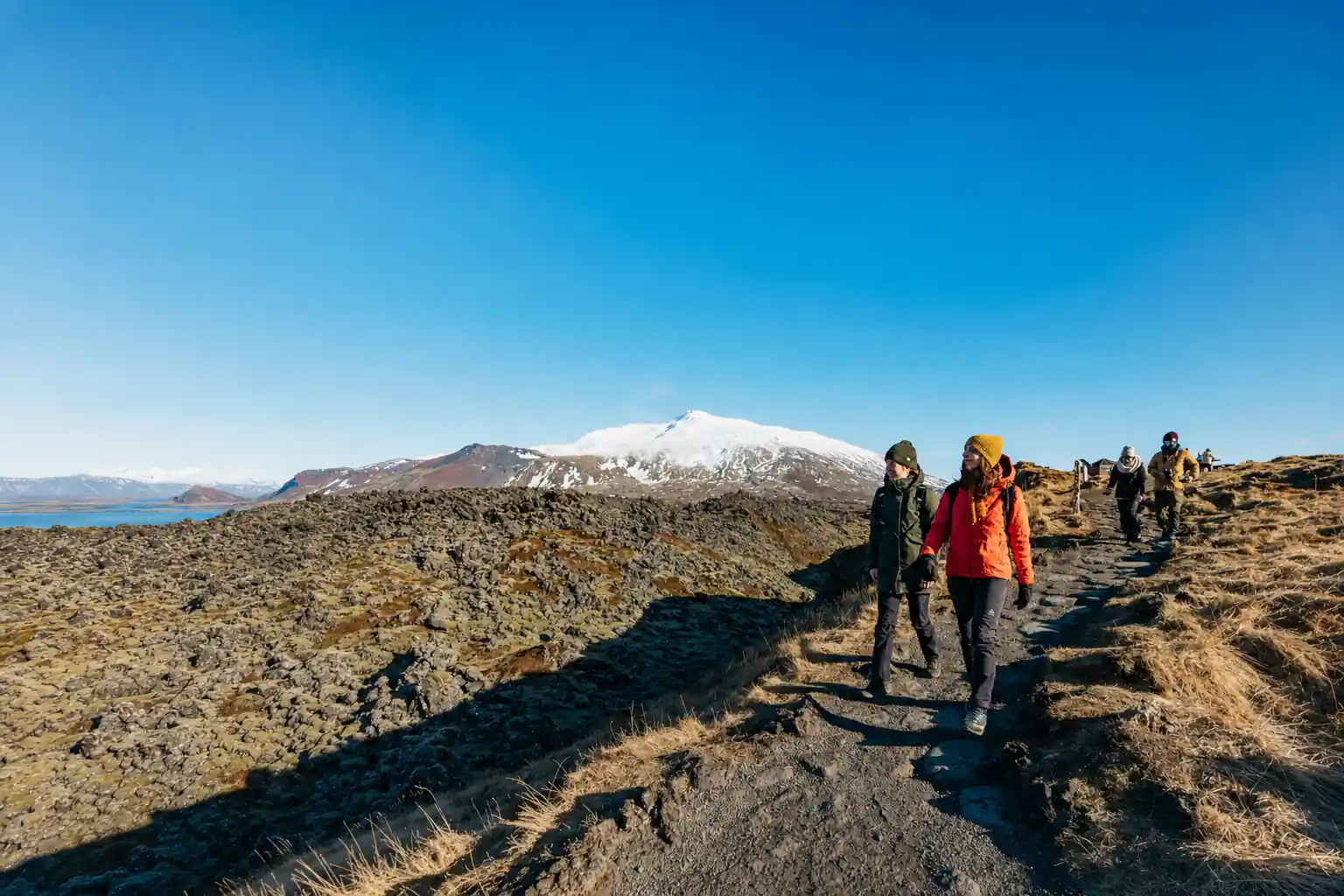
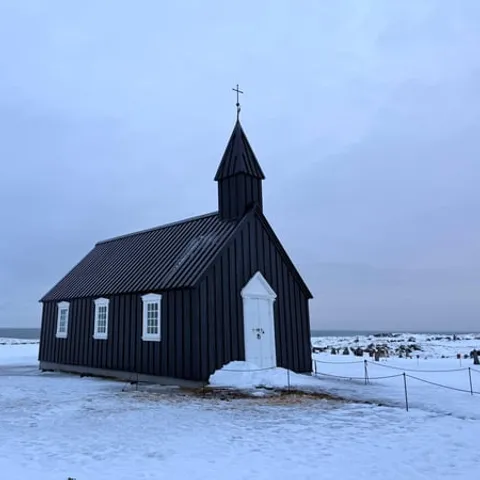
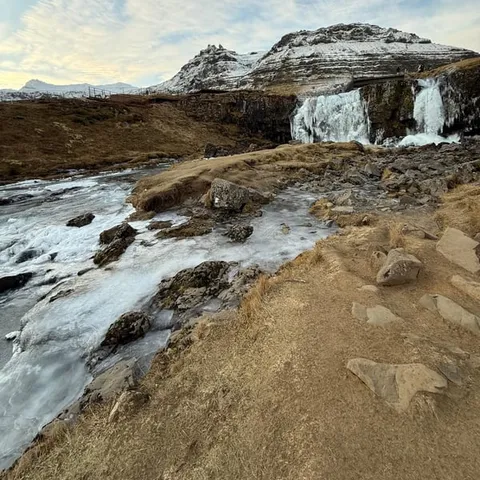
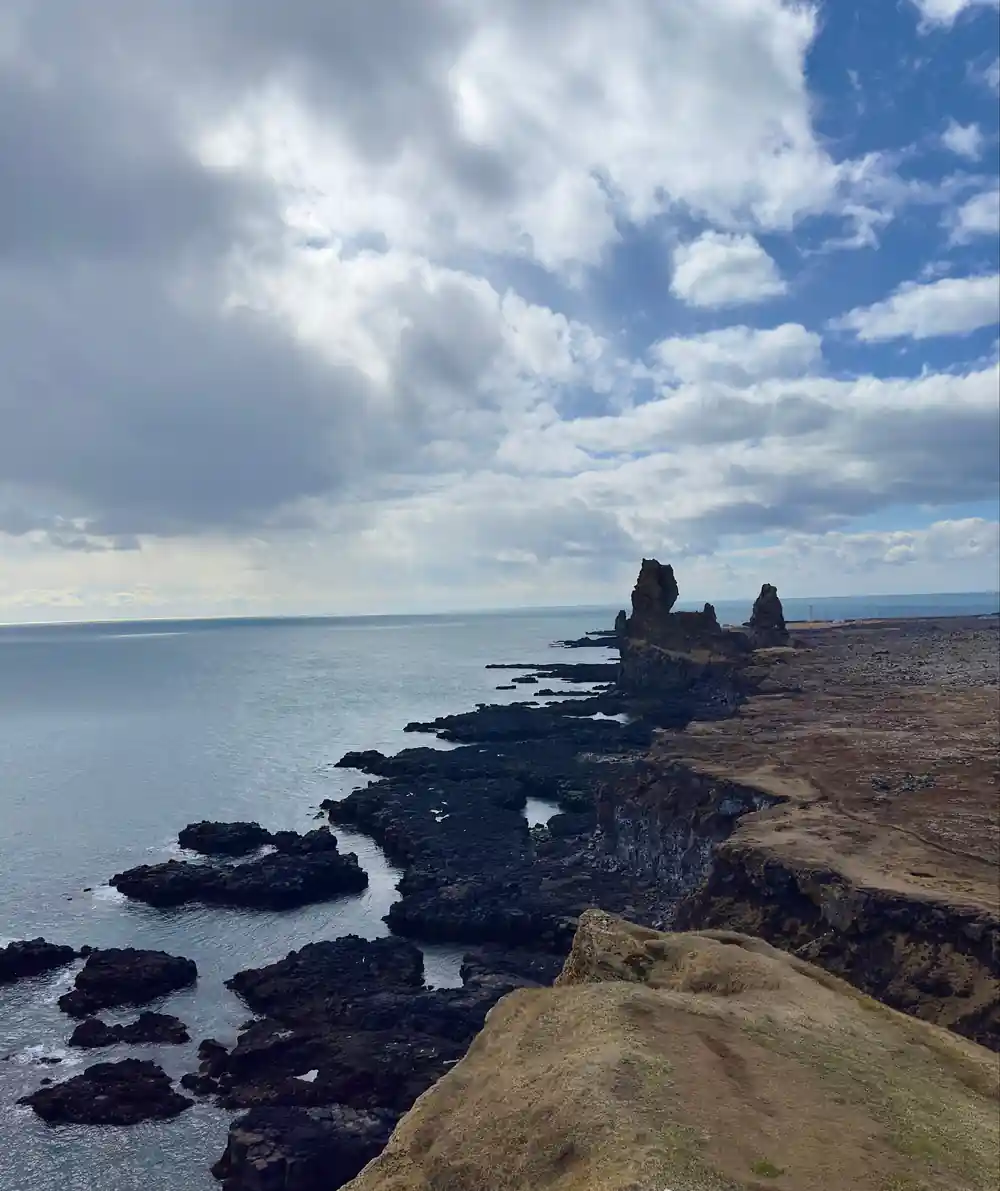
Puffins, guillemots, fulmars, and kittiwakes nest at Londrangar from late spring to summer.
Is a wildlife day on Snæfellsnes worth it?
What to pack
- Windproof and waterproof layers, plus a hat and gloves even in summer
- Binoculars, or a camera with a long lens, for seals and cliff birds
- Sturdy shoes for black pebble beaches and clifftop paths
- Sunglasses and sunscreen; the light off water and snow is bright
Seals at Ytri Tunga
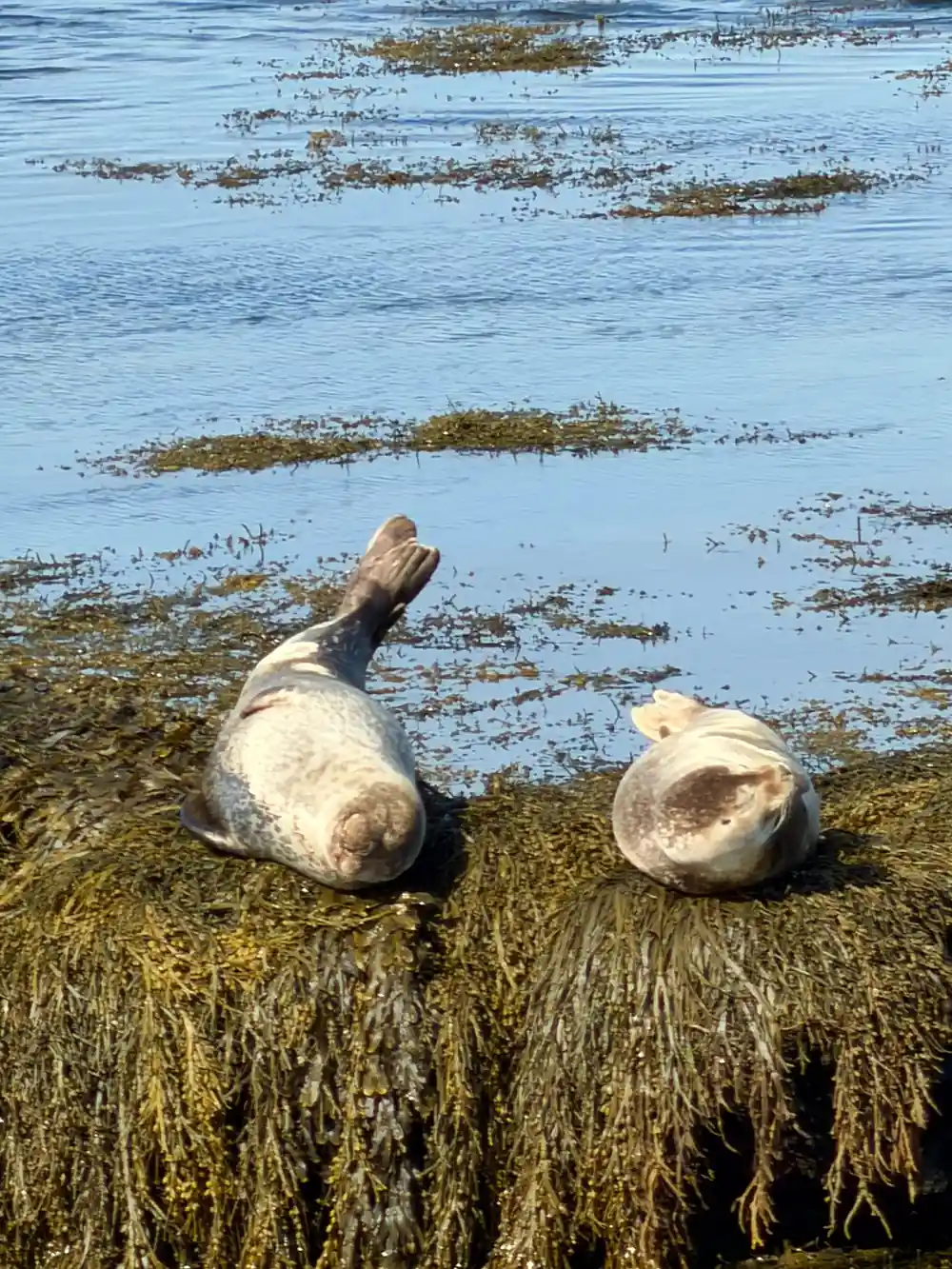
Ytri Tunga sits on the south coast of the peninsula, a beach of pale sand and dark rock where seals haul out in loose groups between feeding trips. It features in the stop list for the full-day tour from Reykjavik, along with Kirkjufell, Ólafsvík, Djúpalónssandur, Londrangar, Arnarstapi and Búðakirkja.[1] The walk from the parking area to the sand is short, and the beach is wide enough for a group to spread out and watch without crowding.
Keep a sensible distance. A seal that lifts its head and shuffles towards the water has decided that you are too close, and someone walking down the sand can clear the whole group. Binoculars or a long lens give you a better view than your feet ever will, and the soft light of a cloudy day suits both seals and photographers.
Watch the water as well as the beach. Seals surface offshore, curious and unhurried, and a head beyond the breakers is easy to mistake for a rock until it moves. Keep children close, stay off the wet sand where a pup could be hidden, and enjoy the rare pleasure of watching marine mammals from dry land, with no boat and no seasickness.
Whales and orcas off the north coast
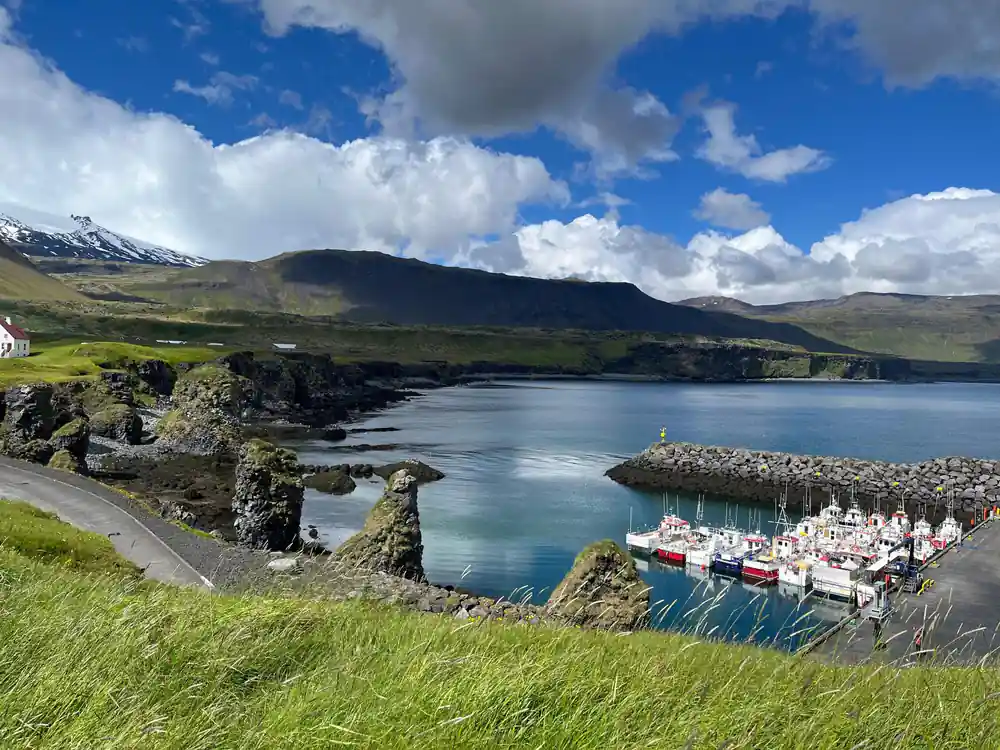
Snæfellsnes peninsula whale watching is run from Ólafsvík on the north side of the peninsula.[2] The trip lasts 3 hours, starts from US$116 and is rated 4.57 from 273 reviews.[3] The harbour looks out towards open water, and the ride out is part of the pleasure.
Orcas pass through these waters, and Snæfellsnes peninsula orcas are the reason plenty of travellers book a place on a boat. No crew can promise a sighting, and that uncertainty is part of the appeal: you are watching open water at the foot of a volcanic peninsula, and anything can surface. Dress warmer than you think you need to, in layers you can move in, and keep a dry bag for the camera.
Whales, dolphins and porpoises use the same bay, and skippers know the currents and the feeding grounds well enough to give you a good chance on the day. If the weather turns, keep the day flexible, because conditions on the peninsula can change quickly.[8] Seasickness tablets work best taken before you leave the harbour rather than after.
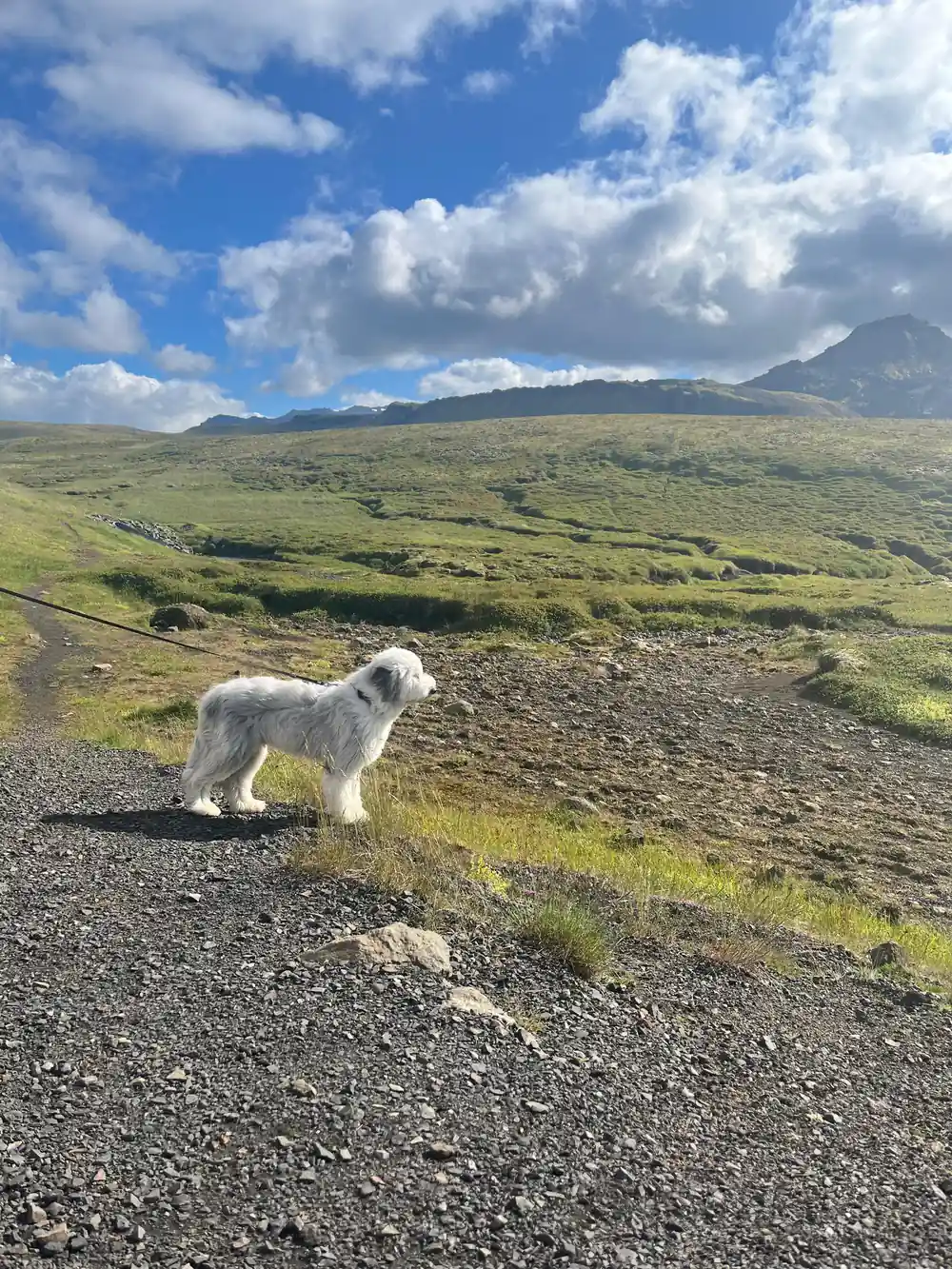
Seals resting on dark rock as the tide slides in.
Puffins and cliff-nesting seabirds
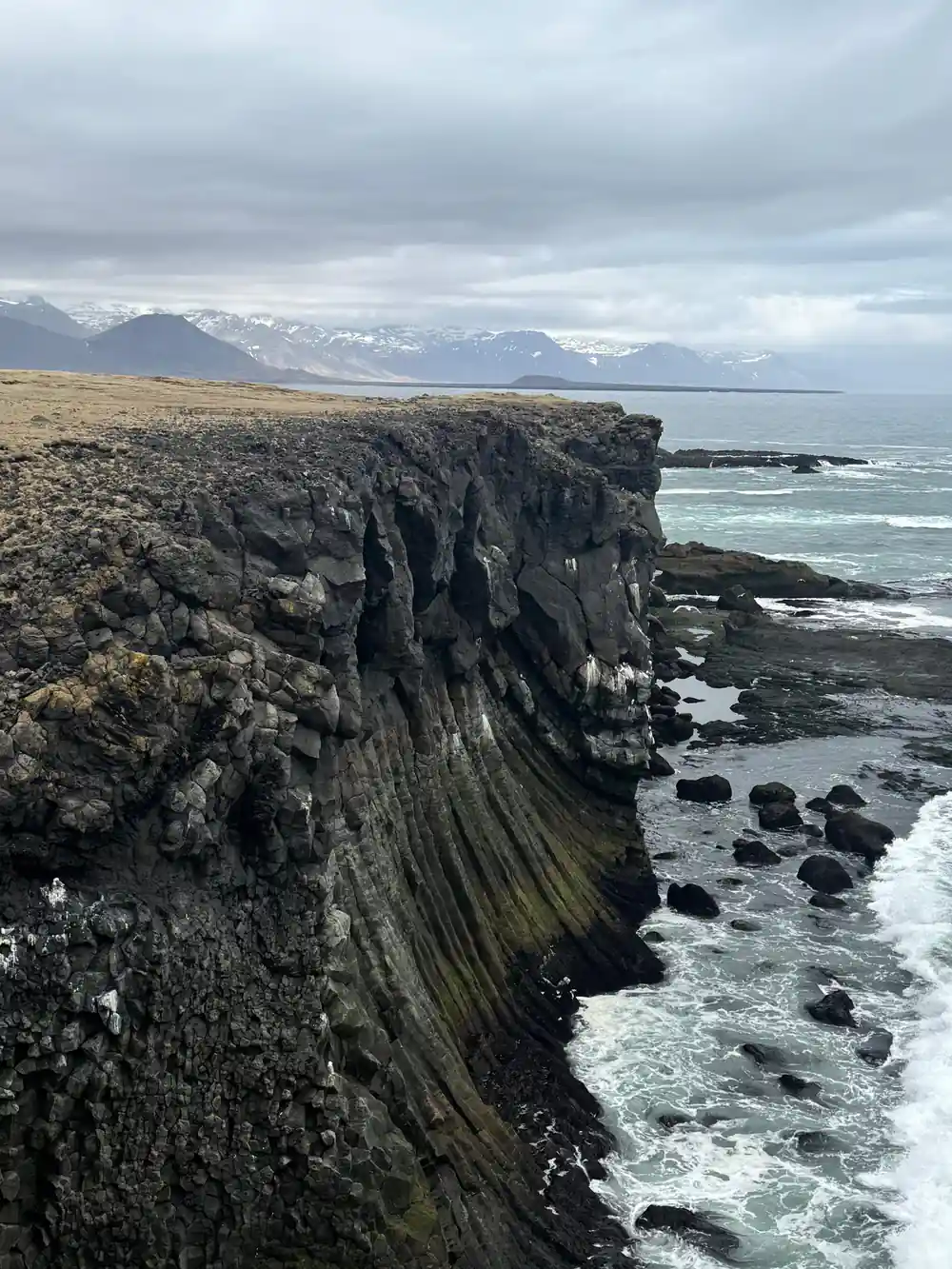
Puffins nest at Londrangar on the Snaefellsnes Peninsula from late spring to summer.[4] The site is a set of dark basalt stacks rising straight out of the sea, with grassy slopes behind them and plenty of room to stand well back from the edge. Guillemots, fulmars, and kittiwakes nest there too, sharing the ledges and the updraughts.[4]
Bring binoculars. From the path the birds are small, busy shapes, and puffins look like bright specks until you get glass on them. The walk along the clifftop is short and easy, the ground is uneven underfoot in places, and on a still day the noise of a colony carries a long way.
Stay on the marked path, keep dogs on a lead, and never walk out onto grass that overhangs the sea. The cliffs are crumbly, the wind is stronger than it looks, and a colony is a nursery: a few steps in the wrong place can disturb birds that have travelled a long way to raise a chick.
Eagles, foxes and other quiet residents
White-tailed eagles drift over the peninsula now and then, usually alone and usually low, with a slow wingbeat that makes ravens look frantic. They are a bonus rather than a target, and the easiest way to see one is to keep half an eye on the sky while you are looking at something else.
Arctic foxes are the quietest residents here, and they are seen far less often than people hope. They keep to lava fields, beaches at dusk and the edges of farmland, moving fast and low, often in a straight line. If you do meet one, watch from a distance and never feed it: handouts change behaviour and put animals in danger on the roads.
Smaller birds reward the same patience. Redwings, snow buntings and ptarmigan turn up in scrub and lava, ravens tumbling over a ridge are worth stopping for, and the peninsula gives its best to slow driving and short walks rather than a checklist of species.
from US$145
The Reykjavik full-day tour runs for 11 hours with an English-speaking guide, from US$145.[1]
Icelandic horses on the peninsula
Icelandic horses graze in the fields along the south coast, often within sight of the road and often in weather that would send most animals looking for shelter. Stóri-Kambur offers horse riding tours that take riders into the heart of Snæfellsnes in West Iceland.[5]
The breed is short, thick-coated and sure-footed, with an extra gait that makes a ride smoother than you would expect from a horse of this size. Riding suits travellers who want the landscape at walking pace, with the wind, the birds and the smell of wet grass instead of a windscreen.
Do not feed horses from the roadside, even when they walk over to the fence, and always ask before you cross a field or open a gate. Photographing them from the verge is fine, and it often becomes the memory people keep from a windy afternoon.
Seabirds of the fjord near Kirkjufell
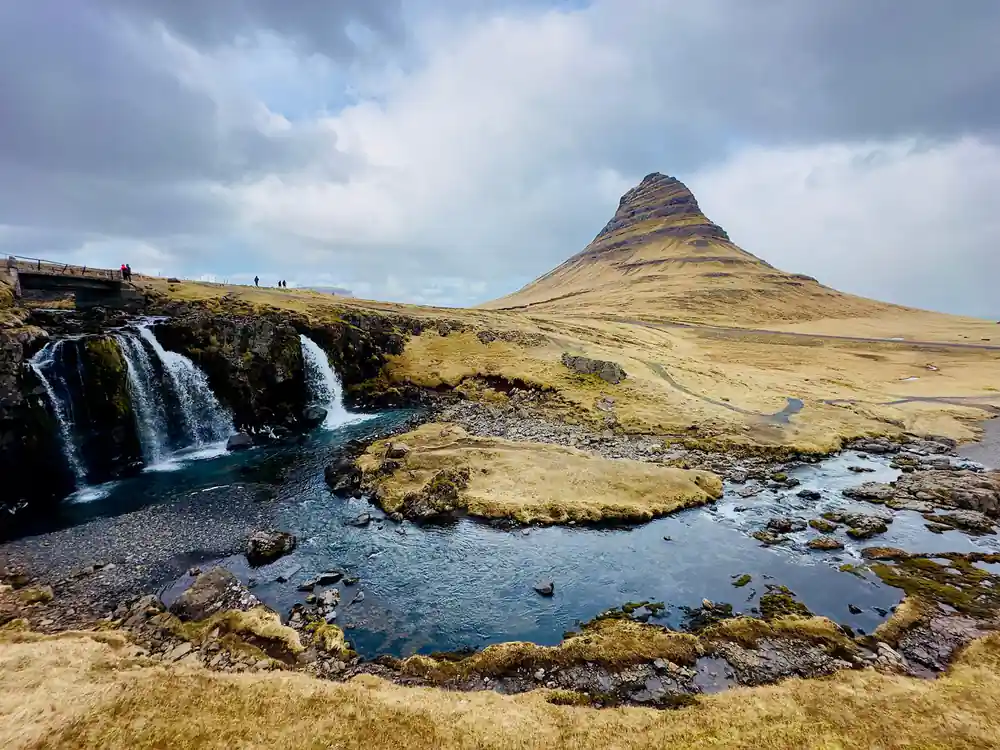
Kirkjufell stands at 463 meters (1,519 feet) and is one of the most photographed mountains in Iceland.[9] If you want it from the water rather than the roadside, a Grundarfjörður boat tour is one route, and a guided kayaking adventure from Grundarfjörður runs 2 hours and starts from US$120.[10]
The fjord here is busy with birdlife: gulls, fulmars, cormorants and eider ducks work the shallows, and the harbour wall is a good place to scan with binoculars. Below the mountain, the shoreline path gives you the classic view with the waterfall in front and the sea behind.
The full-day tour from Reykjavik stops at Kirkjufell as part of an 11-hour day, from US$145, with an English-speaking guide.[1] If you would rather stay on the water than in a bus, the kayak trip is the shorter and wetter option.
Planning a wildlife day on the peninsula
Snæfellsnes sits 136 km (85 mi) from Reykjavík, roughly a 2-hour drive via Route 1 and Route 54, and on a clear day you can see the glacier-capped volcano from the capital.[11] Snæfellsjökull is 1,446 meters high, and the national park around it was established in 2001.[12]
A full day out is long. The tour from Reykjavik runs for 11 hours, with pickup available and free cancellation up to 24 hours in advance.[1] Between stops you will want water, snacks and a windproof layer. The weather on Snæfellsnes is overall quite good throughout the year, but it can change quickly, so a flexible plan is a good idea, especially in winter.[8]
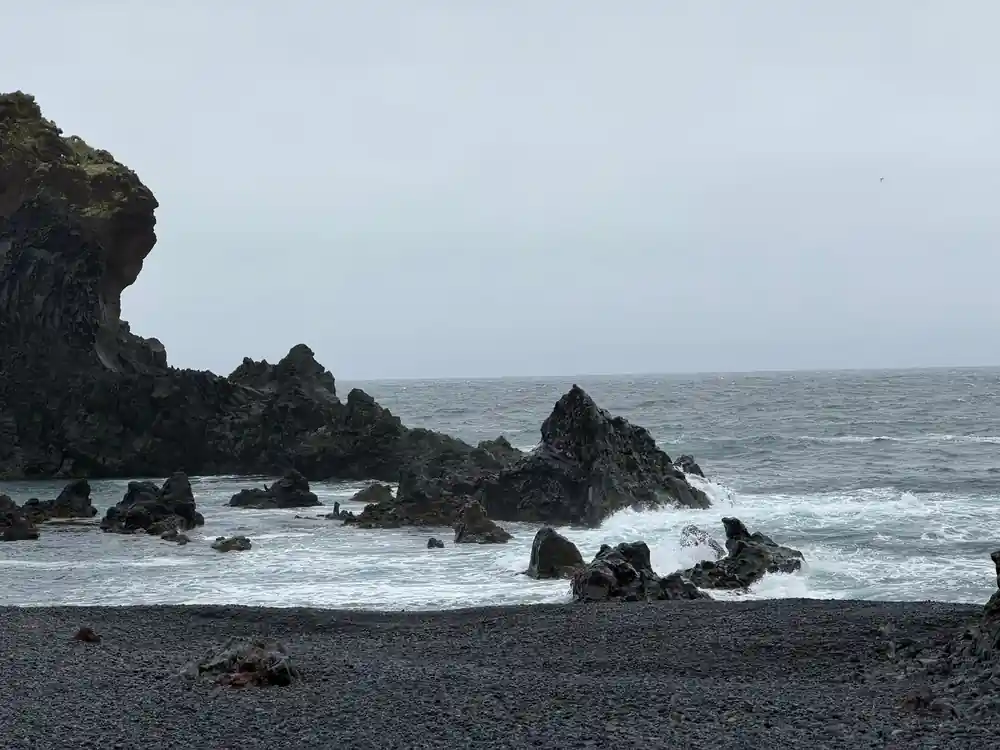
Wildlife fits around the geology. At Djúpalónssandur you can walk a black pebble beach below the glacier and see four historic lifting stones, the remains of the British trawler Epine GY7, and the rock arch Gatklettur.[13] Near Arnarstapi, a small hiking trail starts very close to the statue of Bardur and takes about 2 hours return along the coastline.[14] According to Bárðar Saga Snæfellsáss, Bárður was the settler of this area, half a troll and half a man.[15] Búðakirkja, a small wooden church on the south side of the peninsula, makes a quiet last stop.[16]
Time on the water and on the road
What a wildlife day costs
US dollar from prices for the listed tours.[1][3][7][17]
When to go for wildlife
Plan your wildlife day
Book the day trip
The full-day tour from Reykjavik runs 11 hours, from US$145, with pickup available.[1]
Layer up
Weather on the peninsula is overall quite good throughout the year, but it can change quickly.[8]
Bring optics
Binoculars turn distant birds at Londrangar into something worth watching; they nest there from late spring to summer.[4]
Add a boat
A whale watching trip from Ólafsvík lasts 3 hours and starts from US$116.[2][3]
Soak at the end
Lýsulaugar has geothermal baths including two hot tubs, a large geothermal swimming pool, and a cold tub.[18]
Ready for a full day of Snæfellsnes wildlife?
from US$146Reserve now & pay later